
Understanding Orthodontics: What You Need to Know
Sm
What is Orthodontics?
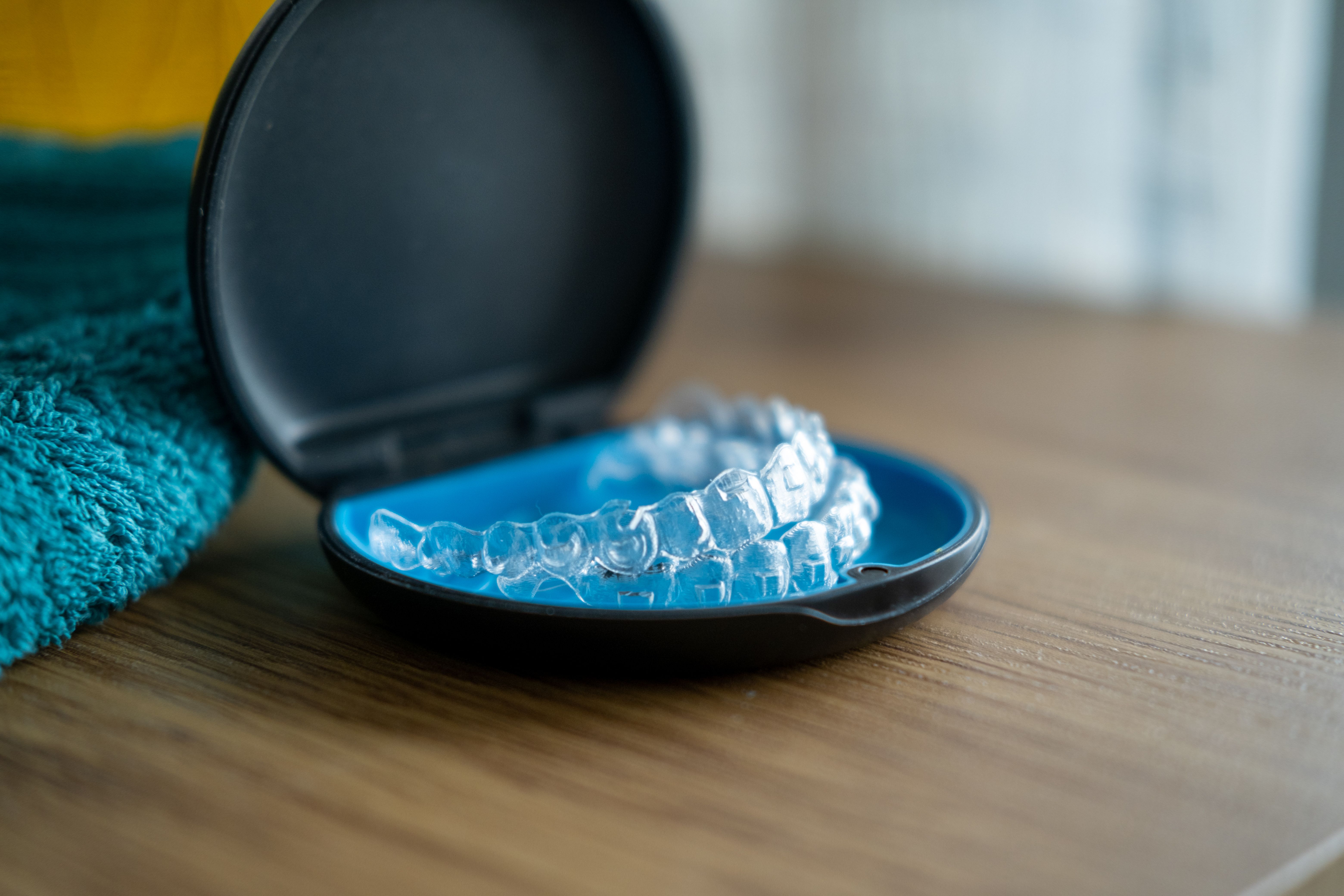
Orthodontics is a specialized branch of dentistry that focuses on diagnosing, preventing, and correcting misaligned teeth and jaws. This field is crucial for maintaining both the functionality and aesthetics of your smile. Orthodontists use various appliances, such as braces and aligners, to help align teeth and improve oral health.
Common Orthodontic Issues
There are several common issues that orthodontics can address, including:
- Crowded teeth
- Overbite
- Underbite
- Crossbite
- Open bite
- Gaps between teeth
Each of these issues can lead to further dental complications if left untreated, such as tooth decay, gum disease, and even speech problems.
The Importance of Early Intervention
Early intervention in orthodontics is often beneficial. It allows orthodontists to guide jaw growth, lower the risk of trauma to protruding front teeth, and correct harmful oral habits. For optimal results, children should have their first orthodontic evaluation by age seven, or earlier, in cases where a Pediatric Dentist recommends early intervention.
Types of Orthodontic Treatments
There are various orthodontic treatments available to cater to different needs and preferences:
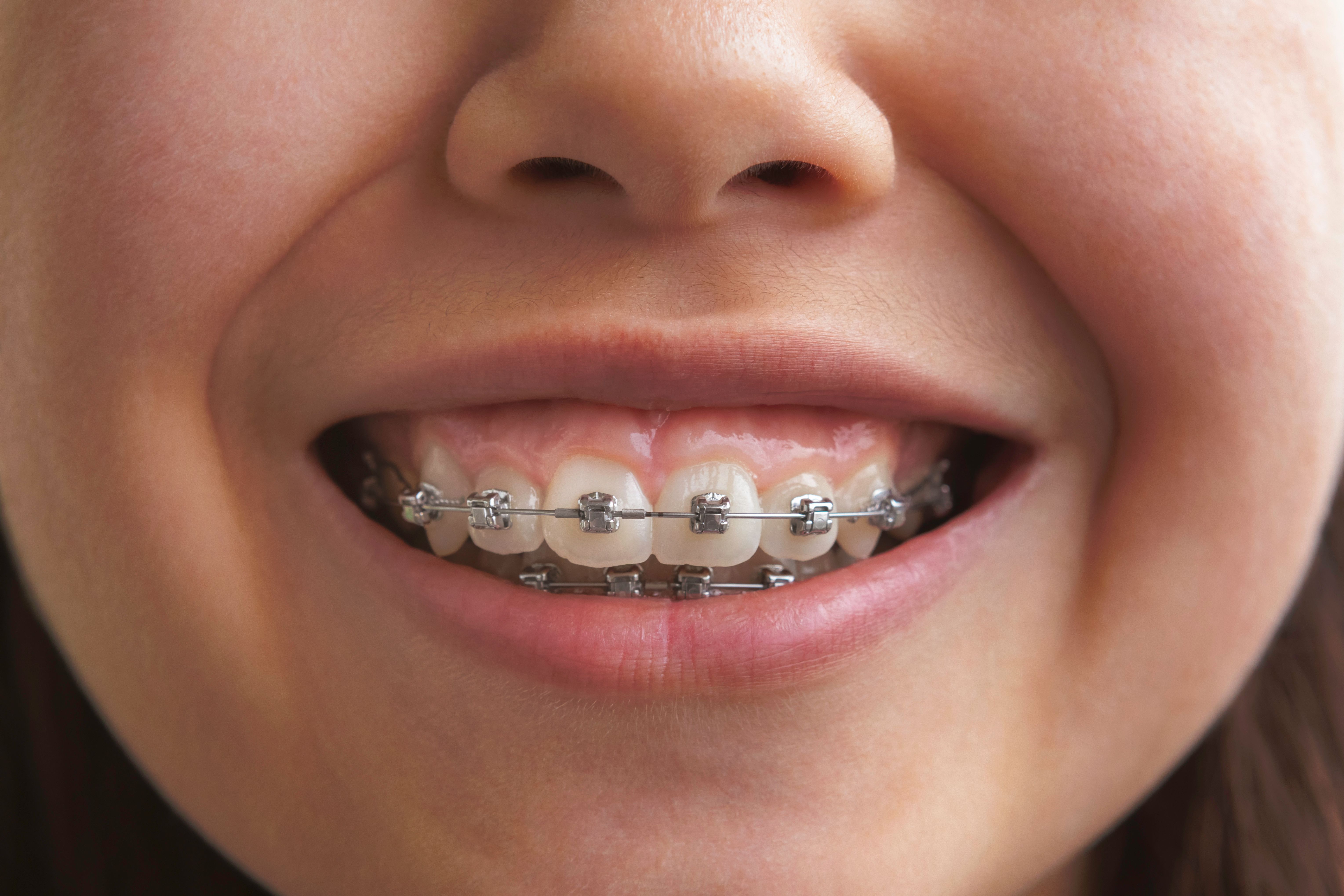
- Traditional Braces: These are metal or ceramic brackets attached to the teeth and connected by wires.
- Clear Aligners: These are removable, transparent trays that fit snugly over the teeth.
- Lingual Braces: These are similar to traditional braces but are placed on the inside of the teeth.
- Retainers: After active treatment, retainers help maintain the new position of the teeth.
The Process of Getting Braces
The journey towards a perfect smile with braces typically involves several steps:
- Consultation: An initial consultation to assess your specific needs.
- Treatment Planning: Customized treatment plans are developed based on your dental examination.
- Fitting: Braces or aligners are fitted according to the treatment plan.
- Maintenance: Regular check-ups ensure the treatment is progressing as planned.
- Completion: Once treatment is complete, retainers help maintain your new smile.

Caring for Your Braces
Proper care is essential for those wearing braces. Regular brushing and flossing are crucial to prevent plaque buildup. Additionally, avoiding hard and sticky foods can prevent damage to the braces. Orthodontists often provide specific care instructions tailored to each patient's needs.
The Benefits of Orthodontic Treatment
The benefits of orthodontic treatment extend beyond just aesthetics. A properly aligned bite can improve chewing efficiency and reduce the risk of dental trauma. Moreover, aligned teeth are easier to clean, contributing to better overall oral health. Improved self-esteem is another significant advantage, as a beautiful smile can boost confidence.
Selecting an Orthodontist
Selecting the right orthodontist is a crucial step in your treatment journey. It's important to choose a professional who is experienced, has excellent patient reviews, and with whom you feel comfortable discussing your concerns and goals. Consider scheduling consultations with a few orthodontists to find the best fit for you or your child.