
Understanding Oral Surgery: What You Need to Know
Sm
What is Oral Surgery?
Oral surgery refers to a variety of surgical procedures performed in the mouth and jaw area. It is often necessary to address dental issues that go beyond the scope of general dentistry. These procedures can range from tooth extractions to corrective jaw surgeries, each designed to improve oral health and functionality.

Common Types of Oral Surgery
There are several types of oral surgeries that patients may encounter. Some of the most common include:
- Tooth Extractions: Often performed when a tooth is damaged beyond repair or impacted, such as with wisdom teeth.
- Dental Implants: A procedure that replaces lost teeth with artificial ones, providing both aesthetic and functional benefits.
- Corrective Jaw Surgery: Helps realign the jaws, often necessary for improving bite alignment and resolving sleep apnea issues.
Preparing for Oral Surgery
Proper preparation is crucial for a successful oral surgery experience. Patients should consult with their oral surgeon to understand the specific procedure and any preparatory steps they need to take. This might include fasting before surgery or arranging for transportation post-procedure.

The Day of the Surgery
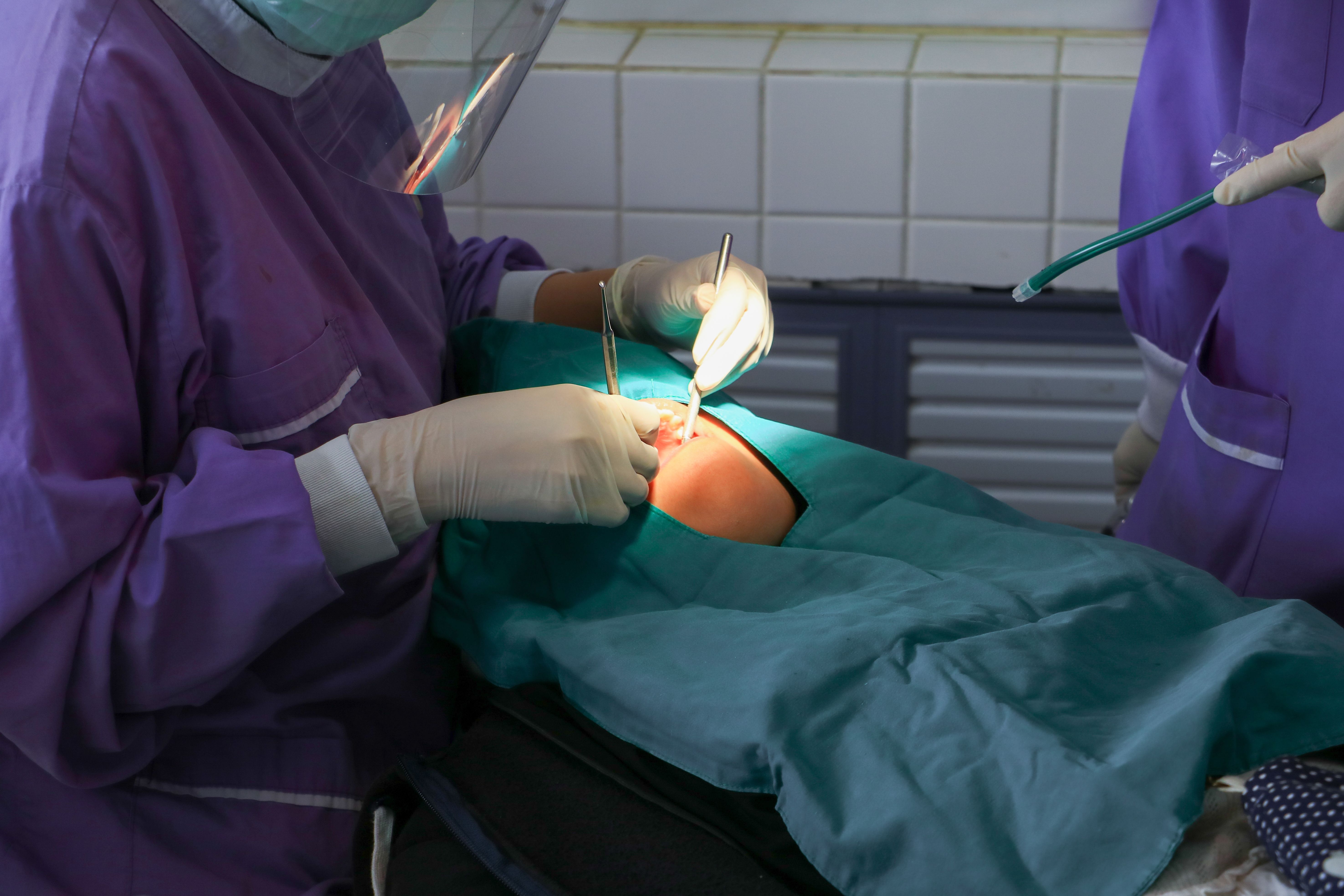
On the day of the surgery, patients should arrive at the clinic well-rested and avoid eating or drinking as instructed. The surgical team will ensure that patients are comfortable, often administering local or general anesthesia to minimize discomfort during the procedure.
Post-surgery, it's normal to experience some swelling and discomfort. Following the surgeon’s aftercare instructions is essential for a smooth recovery. This might include taking prescribed medications, applying ice packs, and avoiding certain foods.
Recovery and Aftercare
Recovery times can vary based on the type of surgery performed. While minor procedures like simple extractions might require just a few days of downtime, more complex surgeries could necessitate several weeks of recovery. Maintaining good oral hygiene and attending follow-up appointments are vital components of the healing process.
Potential Risks and Complications
As with any surgical procedure, oral surgery carries potential risks and complications. These can include infection, prolonged bleeding, or adverse reactions to anesthesia. However, these risks are minimized when procedures are performed by experienced professionals and when patients adhere to pre- and post-operative care instructions.
Choosing the Right Oral Surgeon
Selecting a qualified oral surgeon is a crucial step in ensuring a successful outcome. Patients should look for board-certified professionals with extensive experience in the specific type of surgery they require. Reading reviews and asking for recommendations can also help in making an informed decision.
Understanding the nuances of oral surgery can alleviate anxiety and help patients make informed decisions about their dental health. With proper preparation and care, oral surgery can significantly enhance both function and aesthetics, leading to improved quality of life.