
Understanding Hyaluronic Acid Injections for TMJ Relief
Sm
What is TMJ, and why is it Problematic?
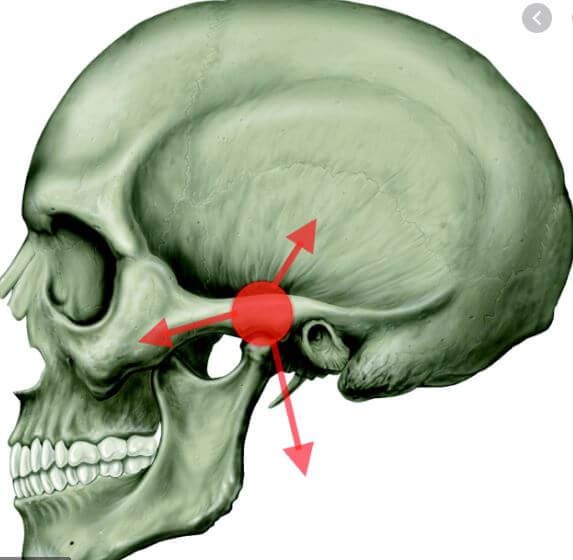
The temporomandibular joint (TMJ) is a crucial component of the jaw, connecting it to the skull. It's responsible for the smooth movement required for chewing, speaking, and yawning. However, when this joint becomes inflamed or misaligned, it can lead to a condition known as TMJ disorder, causing significant discomfort and pain.
Symptoms of TMJ disorder often include jaw pain, stiffness, headaches, and difficulty in opening or closing the mouth. These symptoms can severely affect daily life, making effective treatment essential.
The Role of Hyaluronic Acid in TMJ Treatment
Hyaluronic acid is a naturally occurring substance in the body, primarily found in connective tissues and the skin. It's known for its ability to retain moisture and provide lubrication, which is why it's commonly used in skincare and joint treatments.
When it comes to TMJ disorders, hyaluronic acid injections can offer relief by providing lubrication to the joint, reducing friction, and ultimately easing pain and discomfort. This approach is gaining popularity as a non-invasive alternative to surgery.
How Hyaluronic Acid Injections Work
The procedure involves injecting hyaluronic acid directly into the TMJ. This helps replenish synovial fluid, enhance lubrication, and promote smoother joint movement. As a result, it can significantly reduce pain and improve function.

Benefits of Hyaluronic Acid Injections for TMJ
There are several benefits associated with hyaluronic acid injections for TMJ relief:
- Pain Reduction: Patients often report decreased pain levels after the procedure.
- Improved Mobility: Enhanced lubrication leads to better jaw movement.
- Non-Invasive: A safer alternative to surgical interventions.
- Quick Recovery: Minimal downtime is required, allowing for a quick return to daily activities.
What to Expect During the Procedure
The injection process is relatively straightforward and typically performed in a clinical setting. The area around the joint is numbed, and the hyaluronic acid is injected into the TMJ. The procedure is quick, often taking less than 30 minutes. Patients may experience mild discomfort during the injection, but this is generally well-tolerated.

Post-Injection Care and Considerations
After receiving hyaluronic acid injections, patients should follow their healthcare provider's instructions for the best results. This may include avoiding strenuous activity for a short period and applying ice to reduce any swelling or discomfort.
It's essential to monitor for any adverse reactions, such as increased pain or swelling, and report these to a healthcare professional. Regular follow-up appointments may be necessary to assess the treatment's effectiveness.
Who is a Good Candidate?
Hyaluronic acid injections are suitable for individuals who have been diagnosed with TMJ disorder and have not found relief with other treatments. However, it's crucial to consult a healthcare provider to determine whether this option is appropriate given individual health conditions and medical history.