
Understanding Dental Implants: Benefits and Procedure
Sm
What Are Dental Implants?
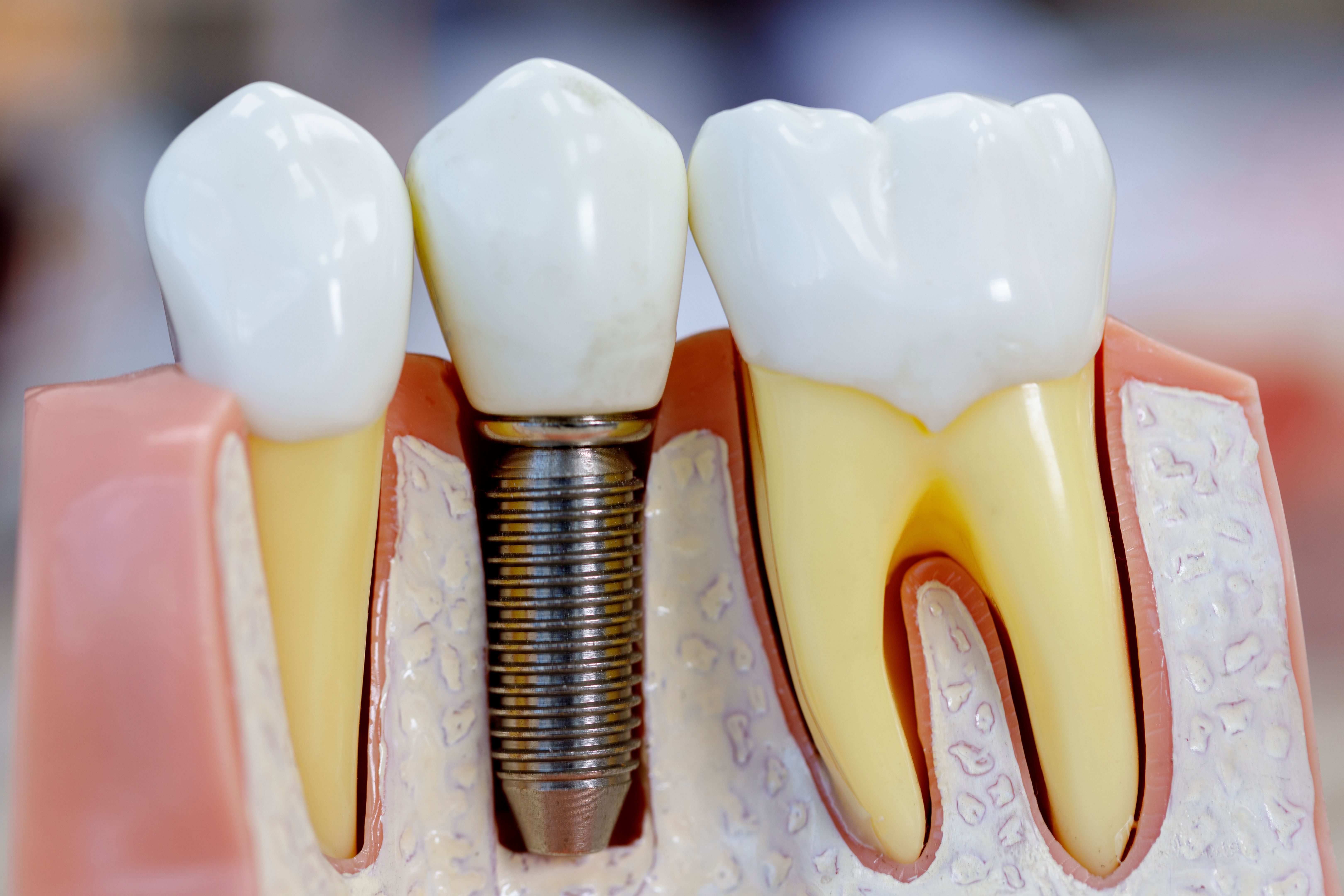
Dental implants are a popular and effective solution for replacing missing teeth. They consist of small titanium posts that are surgically placed into the jawbone to act as artificial tooth roots. Once the implant integrates with the bone, a crown is attached, providing a strong and natural-looking replacement for a missing tooth.
The use of dental implants has revolutionized the field of dentistry, offering a long-term solution that mimics the look and function of natural teeth. They are suitable for individuals who have lost teeth due to injury, decay, or other reasons and are looking for a durable, reliable option.

The Benefits of Dental Implants
Improved Appearance
One of the most significant benefits of dental implants is their ability to enhance your appearance. They are designed to look and feel like your own teeth, often improving your smile and overall facial aesthetics.
Enhanced Comfort
Unlike removable dentures, dental implants become part of your mouth, eliminating the discomfort associated with removable prosthetics. This offers a more comfortable and natural fit, allowing you to speak and eat with confidence.
Durability and Longevity
Dental implants are known for their durability and long-lasting nature. With proper care, they can last a lifetime, making them a cost-effective solution over time compared to other tooth replacement options.
Improved Oral Health
By choosing dental implants, you can also improve your oral health. Unlike bridges, which may require altering adjacent teeth, implants do not affect surrounding teeth. This helps preserve your natural tooth structure and promotes better oral hygiene.

The Dental Implant Procedure
Initial Consultation
The process begins with an initial consultation where your dentist will evaluate your oral health and determine if you are a suitable candidate for dental implants. This may involve X-rays or 3D imaging to assess bone structure and plan the procedure.
Surgical Placement
The next step is the surgical placement of the implant. During this procedure, the titanium post is inserted into the jawbone under local anesthesia. Over time, the implant will fuse with the bone in a process known as osseointegration, which can take several months.
Abutment and Crown Placement
Once osseointegration is complete, an abutment is attached to the implant. This serves as the connector between the implant and the crown. Finally, a custom-made crown is affixed to the abutment, completing the restoration process.
Aftercare and Maintenance
Caring for dental implants is similar to caring for natural teeth. Regular brushing, flossing, and dental check-ups are essential to maintain their health and longevity. Your dentist will provide specific instructions tailored to your needs.
Understanding dental implants is crucial for making an informed decision about your oral health. With their numerous benefits and reliable outcomes, they offer an excellent solution for those looking to restore their smile and regain confidence.