The Benefits of Integrating Dental and Medical Care
Sm
Understanding the Connection Between Oral and Overall Health
Many people view dental and medical care as separate entities, but the truth is that they are deeply interconnected. The mouth is a gateway to the rest of the body, and oral health can significantly impact overall health. By integrating dental and medical care, healthcare providers can offer more comprehensive care that addresses the whole person.
Improved Early Detection and Diagnosis
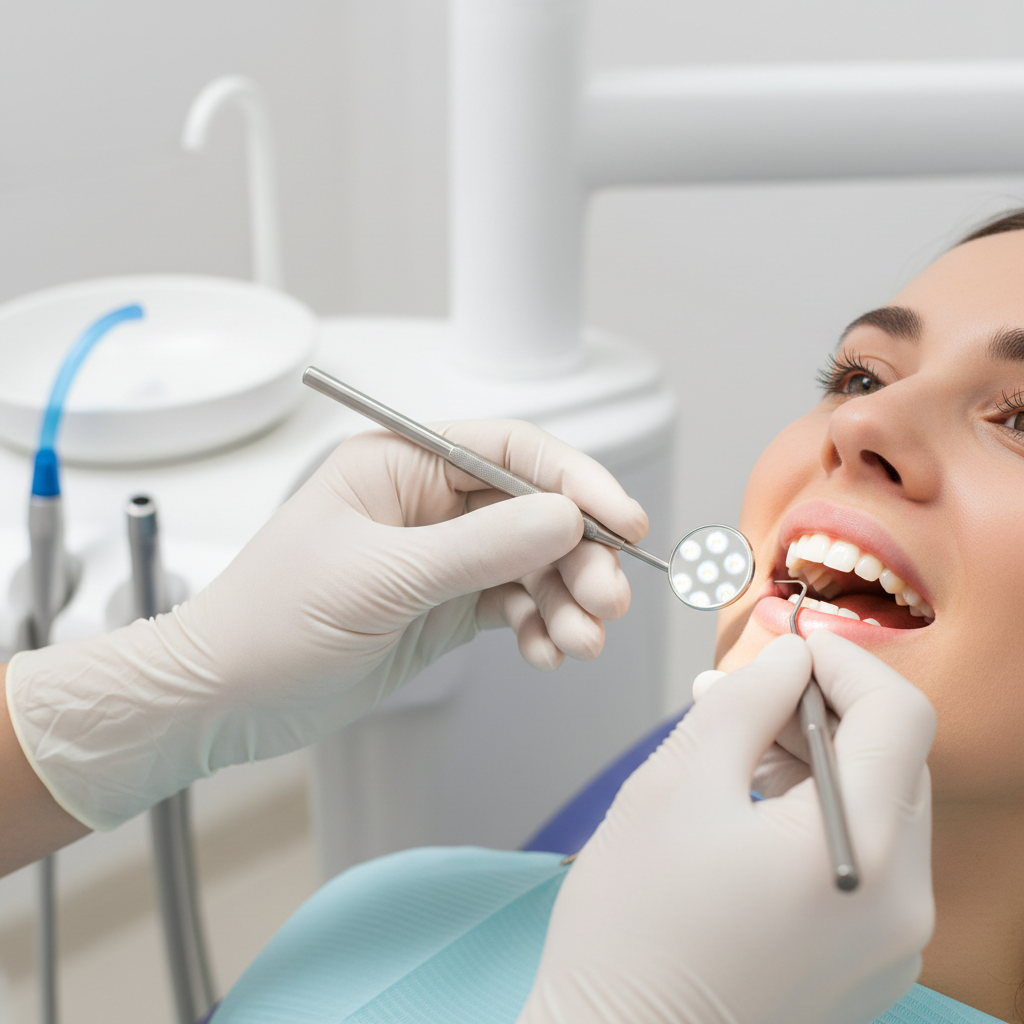
One of the primary benefits of integrating dental and medical care is the ability to detect diseases early. Many systemic conditions, such as diabetes and heart disease, have oral manifestations. Regular dental check-ups can help identify these signs, leading to earlier diagnosis and treatment. This integrated approach ensures that potential health issues are addressed promptly, improving patient outcomes.
Coordinated Care for Chronic Conditions
Chronic conditions often require care from multiple healthcare providers. By coordinating dental and medical care, patients with conditions like diabetes and cardiovascular disease can receive more tailored and effective treatment plans. Collaboration between dentists and physicians ensures that all aspects of a patient's health are considered, reducing the risk of complications and improving quality of life.
Enhanced Patient Experience and Satisfaction
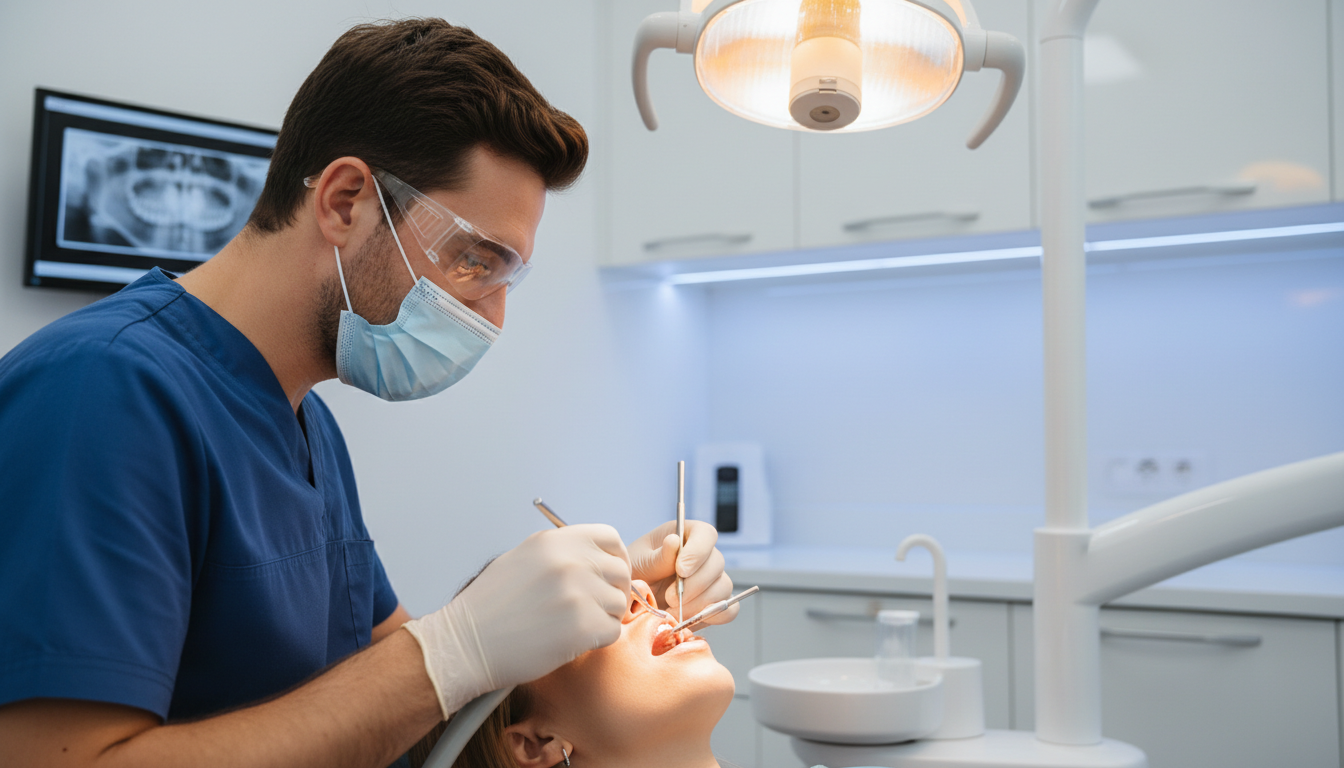
Integrating dental and medical care can lead to a more seamless and convenient experience for patients. With coordinated appointments and shared health records, patients spend less time navigating between different healthcare providers. This streamlined process not only reduces stress but also increases satisfaction and adherence to treatment plans.
Cost-Effective Healthcare Solutions
By addressing health issues early and providing coordinated care, integrated dental and medical services can lead to significant cost savings for both patients and healthcare systems. Preventive care and early intervention reduce the need for extensive treatments and hospitalizations, resulting in more efficient use of resources.

Promoting Preventive Care and Education
Another advantage of integrating dental and medical care is the emphasis on preventive care. Educating patients about the link between oral health and systemic diseases encourages them to adopt healthier lifestyles. Preventive strategies, such as regular cleanings and screenings, play a vital role in maintaining overall health and preventing disease.
Building a Healthier Future
As healthcare systems continue to evolve, the integration of dental and medical care represents a promising approach to achieving better health outcomes. By breaking down the traditional barriers between these fields, we can build a more holistic healthcare system that prioritizes the well-being of patients. Embracing this integrated model is a crucial step toward a healthier future for all.